
Santa Claus has been a beloved global figure for more than 1,700 years, but experts caution that his legendary longevity might owe more to magic than to healthy habits.
Despite his jolly demeanor and round-the-world gift-giving, scientists note that Santa’s lifestyle could be a recipe for health issues. Obesity, a sugar-heavy diet, minimal exercise, and the stresses of delivering presents worldwide all raise red flags for his long-term well-being.
Lifestyle and Diet Concerns
Medical experts point to life at the North Pole as a mixed blessing. While Santa has access to nutritious foods like spring water, salmon, and reindeer meat, the endless cookies and treats left by families around the globe complicate his diet.
Cookies and milk in the U.S., rice pudding in Denmark and Sweden, sweet mince pies and sherry in the U.K., and cookies with beer in Australia all contribute to a diet high in sugar and saturated fat.
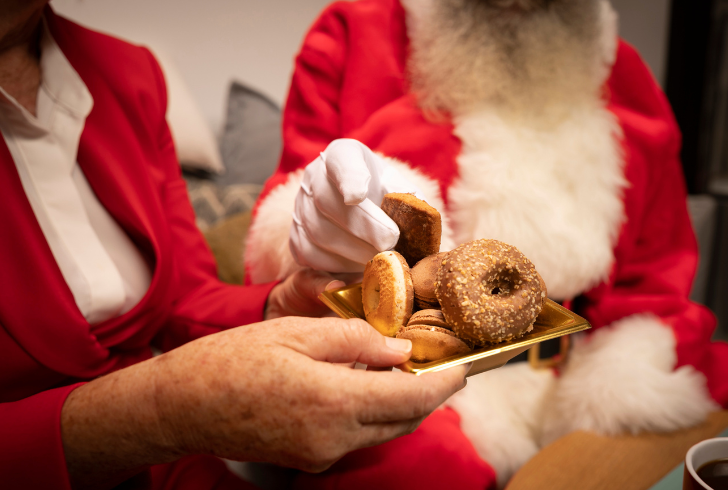
Mette Axelsen, a senior lecturer at the Department of Clinical Nutrition at the University of Gothenburg, notes, “Mr. Claus eats too much sugar and saturated fat. The foods people give him are very energy dense, including candy, rice pudding, and high-fat cuts of meat.”
Such a diet increases the risk of type 2 diabetes, heart disease, fatty liver disease, high blood pressure, and chronic inflammation. Excess saturated fat can raise cholesterol levels, contributing to stroke and heart disease risk.
Obesity, Sleep, and Digestive Health
Experts highlight additional concerns beyond diet.
Dr. Janneme Frouws, writing in the British Columbia Medical Journal, identifies sleep apnea as a likely issue, a condition that can raise the risk of stroke, heart attack, and type 2 diabetes. She also suspects that Santa already has type 2 diabetes and may face complications, including kidney disease, digestive issues, nerve damage, and vision problems.
Diverticulosis, an intestinal condition associated with obesity, low fiber intake, and insufficient physical activity, is another potential concern. Combined, these conditions suggest that Santa’s digestive and metabolic health may be under significant strain.
Heart and Cardiovascular Risks
Santa’s heart health is particularly at risk due to a largely sedentary lifestyle. For most of the year, elves handle the physically demanding tasks of toy production and preparation. One night of intense physical exertion during Christmas Eve delivery—including sleigh flying and chimney descents—may overwhelm his cardiovascular system if not balanced with regular exercise.
Dr. Annika Rosengren of the University of Gothenburg recommends treatment for high blood pressure and diabetes, along with cholesterol-lowering medication. “His abdominal obesity is a risk factor for dementia,” she adds.
Lung Health and Environmental Exposures
Santa’s work exposes him to another unseen danger: soot and smoke from uncleaned chimneys. Dr. Roshan Vijayan, writing in The BMJ, suggests that years of exposure to these conditions may result in chronic lung disease.
Additionally, inhaling tobacco smoke in homes may contribute to obstructive lung problems, making his iconic “ho ho ho” a potential strain on his respiratory system.
Super-Spreader Potential and Infectious Risks
Traveling globally exposes Santa to numerous viruses, including influenza, COVID-19, and the common cold. During mall visits or public appearances, he may inadvertently transmit illnesses to children. Dr. Nathan Grills noted in The BMJ in 2009 that Santa could carry infections like H1N1 influenza between households.

Epidemiologist Dr. Mark Dembert coined the term “Sick Santa Syndrome” in 1986, describing symptoms that include low-grade fever, muscle aches, headaches, nasal congestion, mild sinusitis, painful swallowing, cough, increased thirst, decreased appetite, and enlarged lymph nodes. Influenza vaccinations and possibly vitamin supplements are recommended for this high-risk population.
Other Medical Risks
Additional conditions Santa could face include:
- Hypertension
- Coronary artery disease
- Hypertriglyceridemia
- Nonalcoholic fatty liver disease
- Deep vein thrombosis
- Pulmonary embolus
His unusual lifestyle, heavy sugar intake, and physical demands put him at risk for serious complications that require careful monitoring.
Santa Needs a Check-Up
Even the jolliest elf in the world faces real health concerns. Obesity, sugar-heavy treats, limited exercise, and repeated exposure to germs make Santa particularly susceptible to cardiovascular, metabolic, and respiratory issues.
Experts recommend regular medical monitoring, careful attention to diet, and preventive measures such as vaccinations to keep Santa in top shape for his yearly global journey.